How Often Should Roof Moss Be Removed?
Most homeowners do not think about their roof on a schedule. They notice moss when it has already spread, deal with it, and then forget about it until the green creeps back. That reactive pattern works after a fashion, but it usually means the roof spends long stretches carrying more growth than it should. A little planning turns roof moss from a recurring surprise into a managed, predictable job.
The honest answer to how often moss should be removed is that it depends, but the factors it depends on are clear and easy to assess. This guide sets out what determines the right interval for your roof and how to know when a clean is due.
Why There Is No Single Answer
Roof moss does not grow at a fixed rate, so no single cleaning frequency fits every roof. The speed at which moss returns is governed by the same conditions that let it grow in the first place, and those vary enormously from house to house and even slope to slope.
A sunny, open roof with newer tiles may stay acceptably clear for many years between cleans. A shaded, north-facing roof under trees with older, porous tiles can green up again within a year or two. Both are normal; they simply sit at opposite ends of the range. This is why a trusted schedule matters less than understanding your own roof's conditions and watching how quickly growth actually returns.
The Factors That Set Your Interval
Shade and orientation. North-facing and heavily shaded slopes stay damp longest and grow moss fastest, so they need cleaning more often than sunny, south-facing slopes that dry quickly.
Tree cover. Overhanging trees drop leaves and debris, cast shade, and keep the roof damp, all of which speed regrowth. A roof under trees needs attention more frequently than one in the open.
Tile type and age. Porous, weathered tiles hold water and re-grow moss faster than smooth, newer, or glazed tiles. As a roof ages and its surface erodes, the interval between necessary cleans tends to shorten.
Local climate. A damp regional climate keeps roofs moist for longer, shortening intervals generally. In the wet South East, many roofs green up faster than they would in a drier area.
Whether a biocide was applied.
This is the factor most within your control. A roof cleaned and then treated with a non-toxic biocide stays clear far longer than one simply cleaned, because the treatment keeps working on the surface to slow regrowth.
Tip: Rather than fixing a rigid date, learn your roof's rhythm. After a clean, note how many seasons pass before you see the first faint green returning on the shaded slopes. That real-world interval, specific to your roof, is a far better guide than any general figure, and it usually lengthens noticeably once biocide is part of the routine.
The Signs a Clean Is Due
Watching the roof is more reliable than watching the calendar. A few clear signs tell you moss removal is due.
Visible green on the shaded slopes. The first cushions of moss usually appear on north-facing and tree-shaded sections. When these become noticeable from the ground, growth is establishing.
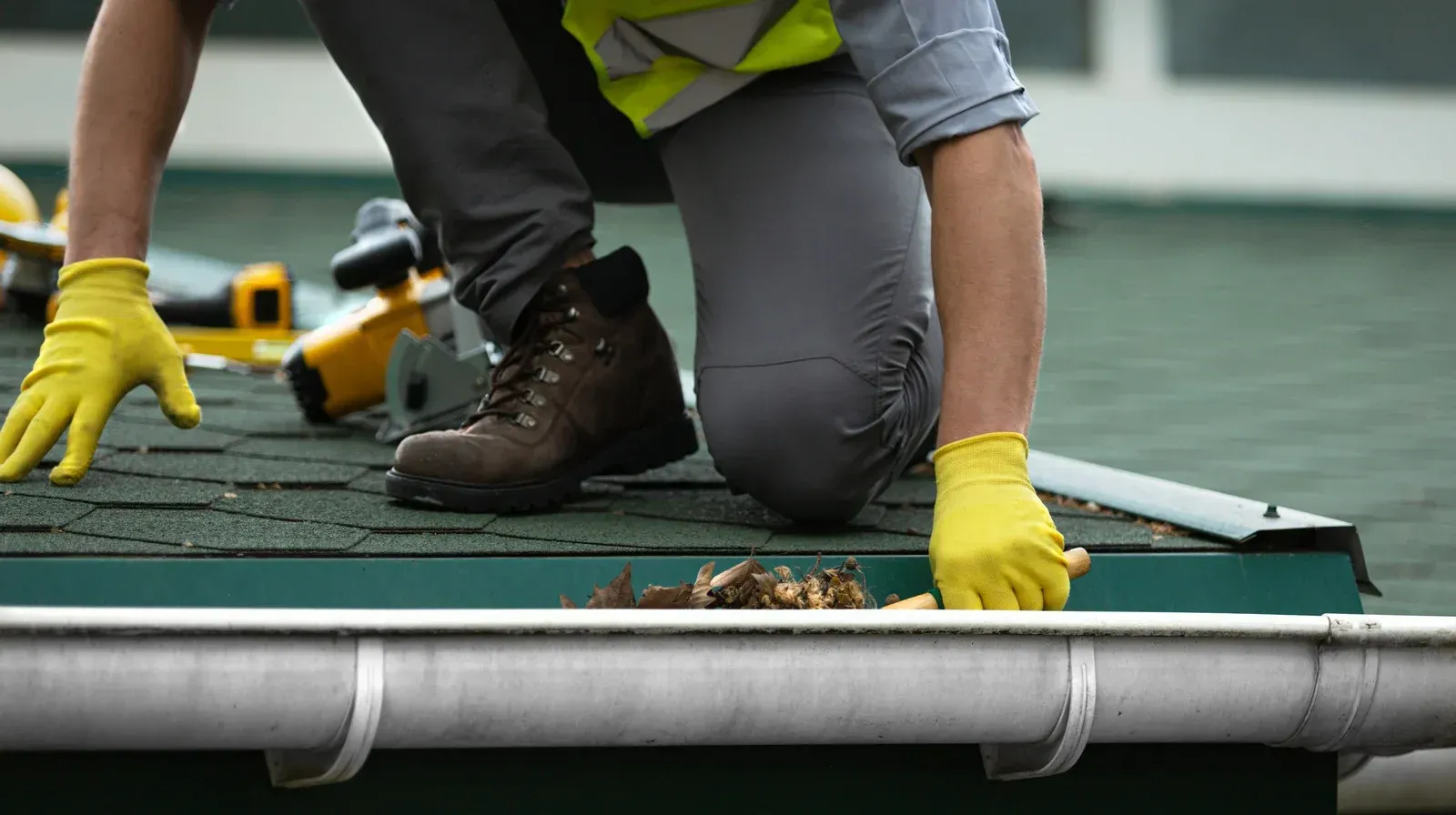
Moss in the gutters. Fragments of moss washing down and collecting in the gutters mean there is enough growth on the roof to be shedding. Keeping gutters clear with regular Gutter Cleaning both manages this and gives you an early warning sign.
Darkening or streaking. Spreading black or green staining alongside the moss shows the roof is staying damp enough for growth to accelerate.
A previous clean fading. If the roof was cleaned a few years ago and is visibly greening again, the biocide's protective effect is wearing off and a refresh is due.
How to Make the Interval Longer
You cannot change your roof's orientation or the regional climate, but you can lengthen the interval between cleans in several ways. Applying a non-toxic biocide after each clean is the single most effective step, slowing regrowth so the roof stays clear for longer. Cutting back overhanging branches lets in light and air so the roof dries faster, and keeping gutters and the roofline clear removes the debris that feeds early growth.
Regular biocide top-ups between full cleans can keep the surface protected without the need for a complete clean each time. Together these measures can turn a roof that needed cleaning every couple of years into one that stays acceptable for considerably longer. A gentle
Roof Cleaning followed by ongoing protection is the foundation of a longer interval. In our 15 years on Sussex roofs, the roofs cleaned on this kind of managed routine need far less frequent major work than those left until the moss is heavy.
How often roof moss should be removed depends on shade, tree cover, and tile type, but many roofs benefit from a clean every few years, with shaded, north-facing, tree-covered roofs needing it more often. A non-toxic biocide applied after cleaning slows regrowth and stretches the interval, sometimes by several years. The most reliable guide is a simple visual check each spring and autumn to catch returning growth early.
Frequently Asked Questions
Is there a recommended number of years between roof cleans?
There is no universal figure, because regrowth speed depends on shade, trees, tile type, and climate. Many roofs benefit from a clean every few years, but a shaded, tree-covered roof may need it sooner and a sunny, open roof later. The best approach is to watch your own roof and clean when growth returns, using a biocide to extend the interval.
Does cleaning too often damage the roof?
Cleaning done gently with a no-contact method does not harm the roof, so there is no risk in keeping on top of growth. The damage risk comes from the method, aggressive pressure washing or wire brushing, not from the frequency. Regular gentle cleaning is actually kinder to the roof than letting heavy moss build up and cause water-holding and freeze-thaw damage.
How does a biocide change how often I need to clean?
A non-toxic biocide applied after cleaning keeps working on the surface for months, slowing the return of moss, algae, and lichen. This can stretch the interval between full cleans significantly, sometimes by several years, compared with cleaning alone. Occasional biocide top-ups can maintain that protection, reducing how often a complete clean is required.
Can I just wait until the moss is heavy before cleaning?
You can, but it is not the most economical approach. Heavy, established moss takes more work to remove and has more time to cause water-holding, freeze-thaw cracking, and gutter blockages in the meantime. Cleaning while growth is still moderate is easier, cheaper, and protects the roof better than waiting for a thick covering to build up.
How can I tell if my last clean's protection has worn off?
The clearest sign is fresh green growth returning on the shaded slopes and staining spreading again across the tiles. If the roof was cleaned and treated a few years ago and is visibly greening once more, the biocide's effect is fading and it is time for a refresh. A quick visual check each spring and autumn will catch this early.
Set your roof on a managed routine — Book a no-contact clean with biocide aftercare and keep growth from returning heavy. Ben's Roof Cleaning offers inspections and biocide top-ups to extend the interval. Call 0148 331 4080.
Cleaning on Your Roof's Schedule, Not the Calendar's
How often roof moss should be removed comes down to your particular roof: its shade, its trees, its tiles, and the climate it sits in. Rather than chase a fixed number of years, watch the shaded slopes and the gutters, and clean when growth genuinely returns. Then make that interval as long as possible by treating the roof with a biocide, clearing debris, and letting in light and air. Managed this way, roof moss stops being a recurring surprise and becomes a predictable, occasional job, with the roof spending far more of its life clean than green.