Wire Brush vs Soft Wash: Which Is Safer for Roof Tiles?
There is something instinctively satisfying about a wire brush. Set it against a mossy tile, scrub hard, and the green comes away in seconds, leaving what looks like clean tile behind. It feels effective, and for many homeowners it is the obvious tool for the job. Unfortunately, what feels effective and what protects your roof are often two different things, and the wire brush is a clear example.
This guide compares wire brushing with soft washing for roof tiles, explains what the wire brush actually does to the tile surface, and makes the case for the gentler approach that keeps tiles sound for longer.
What a Wire Brush Does to a Tile
A wire brush removes moss by abrasion, dragging stiff metal bristles across the tile to tear the growth away. The problem is that abrasion does not stop at the moss. The same bristles that scrape off the green also scrape the tile itself.
It strips the protective coating. Concrete tiles have a surface coating that helps them shed water and resist growth. Wire brushing wears that coating away, exposing the more porous material underneath.
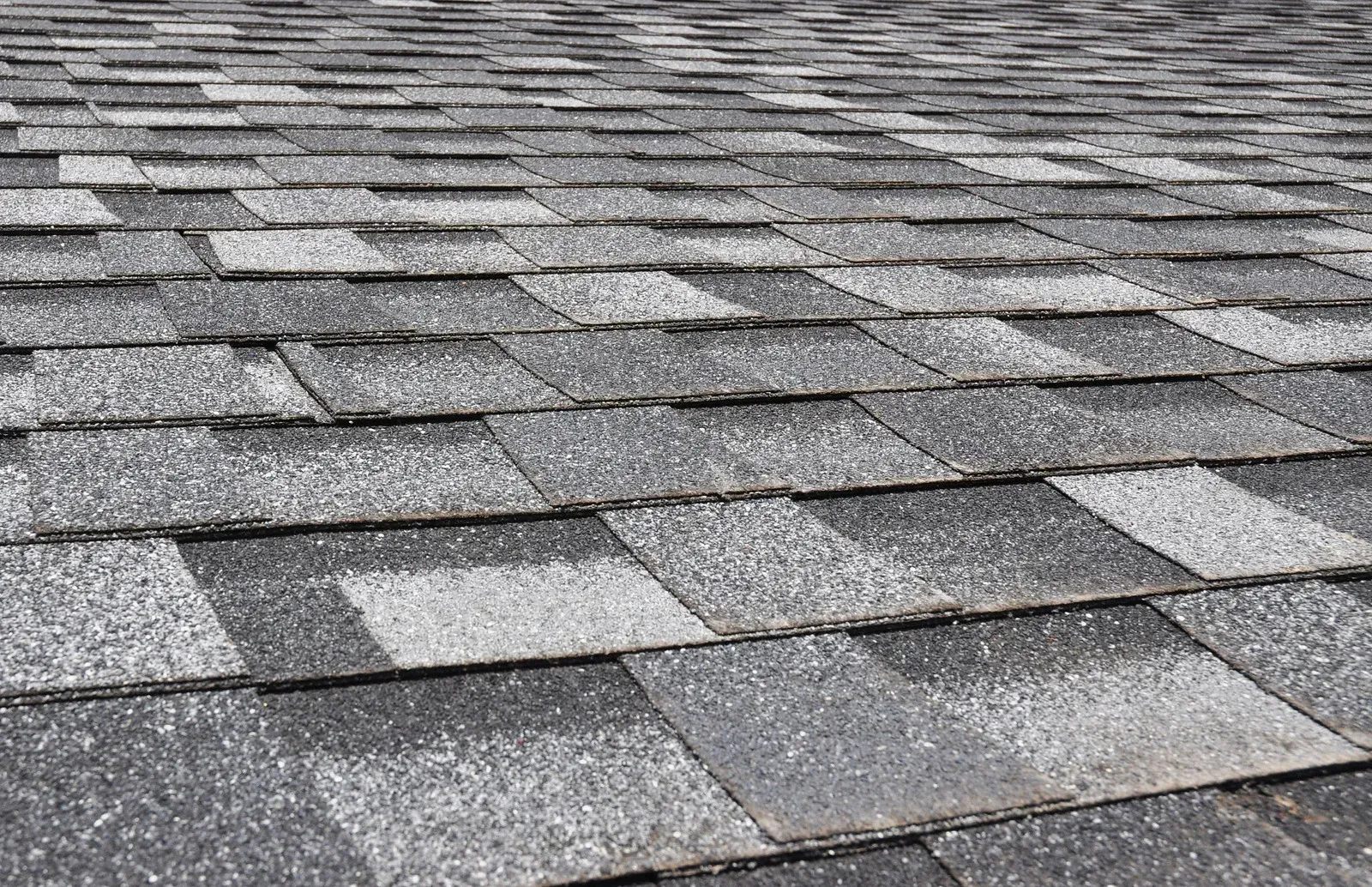
It scratches and roughens the surface. Metal bristles leave fine scratches and a rougher texture on the tile. A rougher surface holds more water and gives moss spores an easier grip, so brushing can actually make future growth worse.
It weakens already-worn tiles. On older tiles softened by years of damp, aggressive brushing can gouge the surface or dislodge fragments, accelerating the tile's decline.
The cruel irony is that a wire brush, used to fight moss, often leaves the tile more hospitable to moss than before. The immediate result looks clean, but the surface has been damaged in ways that invite the growth straight back.
How a Soft Wash Differs
A soft wash takes the opposite approach. Instead of abrading the tile, it lifts growth gently using low-pressure or no-contact methods and water-based cleaning, leaving the tile surface intact. On professional jobs this often means working from mobile scaffold towers or ground level with specialist equipment, so nothing abrasive is ever dragged across the tiles and no one has to stand on the slippery roof.
Because the protective coating is left in place, a soft-washed roof resists regrowth better than a brushed one, and the tiles are not left scratched and porous. When the clean is followed by a non-toxic biocide, the surface is protected further, with the treatment continuing to slow moss, algae, and lichen for months. A gentle
Roof Cleaning done this way removes the growth without any of the abrasion damage a wire brush causes.
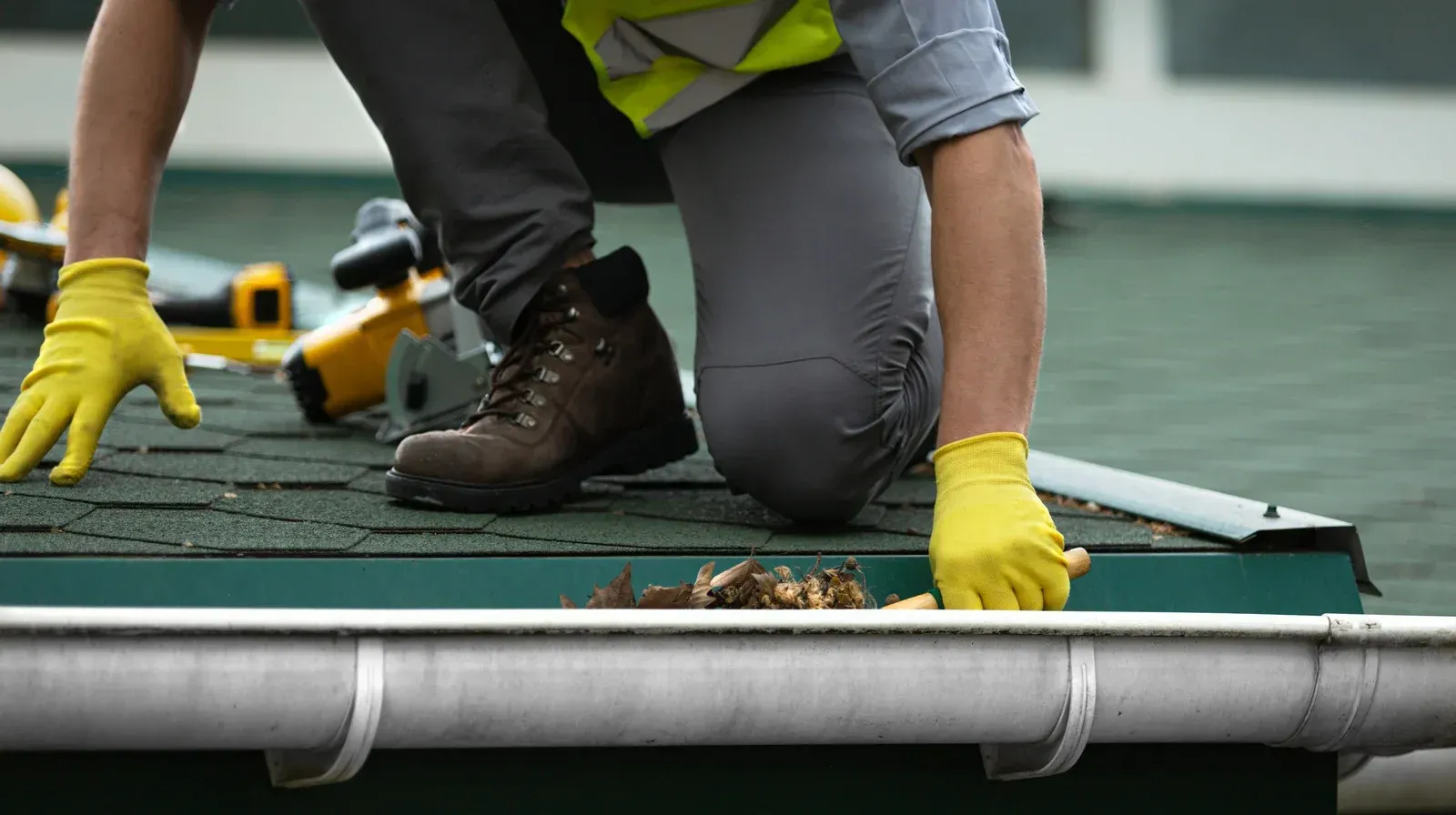
Warning: Wire brushing a roof almost always means someone kneeling or standing on wet, mossy tiles to reach the growth, which is genuinely dangerous. Slips and cracked tiles underfoot are real risks. A no-contact soft wash keeps the person off the roof entirely, removing the safety hazard along with the surface damage
Comparing the Two on What Matters
Set side by side, the two methods diverge on every measure that counts for a roof.
Tile surface. Wire brush: scratched, stripped, roughened. Soft wash: left intact.
Regrowth. Wire brush: often faster, because the roughened, coating-stripped surface suits moss. Soft wash: slower, especially with biocide aftercare.
Tile lifespan. Wire brush: shortened by surface damage and possible gouging. Soft wash: protected.
Safety. Wire brush: hazardous work on slippery tiles. Soft wash: no-contact, off the roof.
Immediate look. Both can look clean on the day, but only one keeps the tile sound underneath.
The only category where a wire brush might seem to win is the instant, hands-on satisfaction of watching moss come off. On every measure that affects the roof over time, the soft wash is clearly safer.
When Manual Contact Might Be Needed
None of this means every trace of moss must be removed without ever touching the roof. Careful, gentle removal of loose growth can form part of a proper clean, and there are situations where some hand work is reasonable. The key distinction is between gentle lifting and abrasive scrubbing. A wire brush dragged hard across the tile is abrasion, and that is what damages the surface.
An inspection and patch test at the start reveal the tile type and condition and guide how the growth should be removed. From there, the aim is always to use the least abrasive method that clears the moss, which for the great majority of tiled roofs means a soft, no-contact wash rather than a wire brush. Keeping the roofline clear with regular Gutter Cleaning reduces the debris that feeds regrowth, whichever removal method is used.
In our 15 years on Sussex roofs, the tiles that last longest are the ones cleaned gently and treated, never the ones scrubbed bare with a brush.
A soft wash is far safer for roof tiles than a wire brush. Wire brushing scrapes moss off by force, scratching the tile surface, stripping the protective coating, and leaving tiles rougher and more porous, which speeds up regrowth and wear. A soft, no-contact wash lifts growth gently without abrading the tile, and a follow-up biocide slows its return. For protecting tiles, gentle beats abrasive every time.
Frequently Asked Questions
Can I use a wire brush on my roof myself?
It is best avoided. Beyond the danger of working on slippery, mossy tiles at height, a wire brush scratches the tile surface, strips the protective coating, and leaves the tile more porous and prone to faster regrowth. It can also gouge or crack older, weakened tiles. If moss needs removing, a gentle no-contact method is far safer for both you and the tiles.
Will a soft wash really get all the moss off?
Yes. A proper soft-wash clean removes the moss thoroughly by lifting it gently rather than scrubbing it, and when a biocide is applied afterwards the tiles continue to clear and stay cleaner over the following months. The finish is thorough; it simply avoids the scratching and coating damage that a wire brush leaves behind.
Does wire brushing damage all types of tile?
Abrasion risks harming most roofing tiles, but the effect is worst on concrete tiles with a surface coating and on older, weathered tiles that have softened with damp. Smoother, denser tiles resist scratching a little better, but none benefit from being wire brushed. The porosity and roughness that brushing creates encourages regrowth on virtually any tile.
Why does a rougher tile surface grow more moss?
Moss spores need a surface to grip and moisture to grow. A rough, scratched, coating-stripped surface holds water for longer and gives spores far more to anchor into than a smooth, intact tile. That is why abrasive cleaning like wire brushing can backfire, leaving a surface that moss re-colonises more quickly than before it was cleaned.
Is a soft wash more expensive than wire brushing?
A professional soft wash is a service with a cost, whereas wire brushing is often something people attempt themselves, so the upfront comparison can look uneven. Over time, though, the soft wash protects the tiles and slows regrowth, while wire brushing damages the surface and invites moss back sooner, which can mean more spending and shorter tile life. Gentle is usually better value on a roof.
Skip the wire brush, protect your tiles — Book a no-contact soft-wash clean that removes moss without scratching the surface. Ben's Roof Cleaning includes a free inspection, patch test, and optional biocide. Call 0148 331 4080.
The Safer Tool Is No Brush at All
Wire brush versus soft wash is not a close contest where tile safety is concerned. The wire brush removes moss by scraping, and that scraping scratches the tile, strips its protective coating, roughens the surface, and often speeds up the very regrowth it was meant to stop, all while putting someone in danger on slippery tiles. A soft, no-contact wash lifts the growth without touching the tile's integrity, and with biocide aftercare it keeps the roof clearer for longer. When the goal is a clean roof that stays sound, the abrasive shortcut is the wrong one, and gentle is the safe choice.